





Should You Detox After Vacation? A Dietitian Answers
You're back from vacation. The swimsuit is in the laundry, the suitcase is half-unpacked, and somewhere between the airport snacks and last night's dessert, a familiar thought creeps in.... "I need to detox."
Sound familiar? Let's talk about it.
The Post-Vacation Guilt Is Real, But Is It Warranted?
First things first: if you came home from your trip feeling like you want to "get back on track," that feeling is valid. Vacation often means different sleep schedules, more alcohol, more restaurant meals, less movement, and foods you wouldn't normally eat day-to-day. Your body might feel puffy, sluggish, or just off.
But here's what a dietitian actually wants you to hear:
That feeling is not a sign that you did something wrong.
It's a sign that your routine changed — and your body noticed. That's it.
So... Does Your Body Actually Need a Detox?
Short answer: No.
Longer answer: Your body is already running one of the most sophisticated detoxification systems on the planet, 24 hours a day, 7 days a week, vacation or not.
Your liver filters toxins from your blood. Your kidneys flush out waste through urine. Your gut moves things along and acts as a barrier against harmful substances. Your lymphatic system and skin are doing their part too.
None of that stopped working because you had a piña colada by the pool or finished your kid's fries at the theme park.
The idea that a specific juice cleanse, a 3-day water fast, or a supplement regimen needs to "undo" what you ate on vacation is not supported by science. In fact, most products marketed as detoxes have little to no clinical evidence behind them — and some can actually interfere with the very systems they claim to support.
What the "Detox Mentality" Actually Does to You
Beyond being unnecessary, the post-vacation detox mindset can set off a cycle that's worth recognizing:
Vacation → Eat freely and enjoy → Feel guilty → Restrict hard → Feel deprived → Overeat → Feel guilty again → Repeat.
Sound exhausting? It is. And it's one of the most common patterns that keeps people feeling like they can never quite get it "right" with food.
The problem isn't the vacation eating. The problem is the all-or-nothing thinking that frames vacation as a dietary disaster that needs immediate correcting.
What to Do Instead That Actually Works
Here's the thing... you don't need a detox. But you might genuinely want to feel more like yourself again. Those two things are not the same, and there's a big difference between punishing your body and supporting it.
Here's what evidence-based nutrition actually recommends after a vacation:
Return to Your Usual Eating Patterns (Gently)
Skip the restriction. Instead, think about what a normal day of eating looks like for you and ease back into it. Incorporate vegetables and fiber-rich foods not because you have to, but because they genuinely help your digestion and energy levels get back to baseline.
Hydrate Consistently
Travel is dehydrating — recycled cabin air, alcohol, heat, and walking more than usual all contribute. Getting back to consistent water intake is one of the simplest, most effective things you can do to reduce bloating and fatigue.
Prioritize Sleep
Vacation sleep is often disrupted — late nights, time zone changes, unfamiliar beds. Poor sleep affects hunger hormones, cravings, and energy levels more than most people realize. Getting back to your regular sleep schedule will do more for how you feel than any cleanse ever could.
Move in Ways That Feel Good
Not punishment. Not "burning off" what you ate. Just getting back to whatever movement makes you feel like you. A walk, a yoga class, a gym session you actually enjoy.
Honor Your Hunger and Fullness
After days of eating on someone else's schedule, getting back in tune with your own hunger cues is genuinely helpful. Eat when you're hungry. Stop when you're satisfied. No tracking apps required.
What About That Bloated, Heavy Feeling?
If you're feeling puffy or uncomfortable, here's what's likely happening (and none of it requires a detox to fix):
- Water retention from higher sodium restaurant foods and travel — this resolves on its own within a few days
- Digestive changes from new foods, less fiber, or irregular eating times (fiber and hydration help this settle)
- Disrupted gut microbiome from different foods and possibly alcohol, but your gut flora are resilient and will recalibrate
- Inflammation from alcohol or less sleep — sleep and consistent eating go a long way here
Most of these resolve naturally within 3–5 days of returning to your usual routine. No special changes needed.
The Bigger Picture: Vacation Is Supposed to Look Different
One of the most freeing nutrition mindset shifts you can make is this:
Vacation eating is not throwing you off. It's part of a balanced life.
Food is culture. Food is a connection. Food is celebration, rest and novelty. Eating differently on vacation doesn't undo your everyday habits — it's part of the full picture of a healthy relationship with food.
A week of vacation eating has virtually no meaningful long-term impact on your health. What does have a long-term impact is how you treat yourself when you get home.
The Bottom Line
Skip the detox tea. Close the juice cleanse website. Step away from the 7-day reset plan.
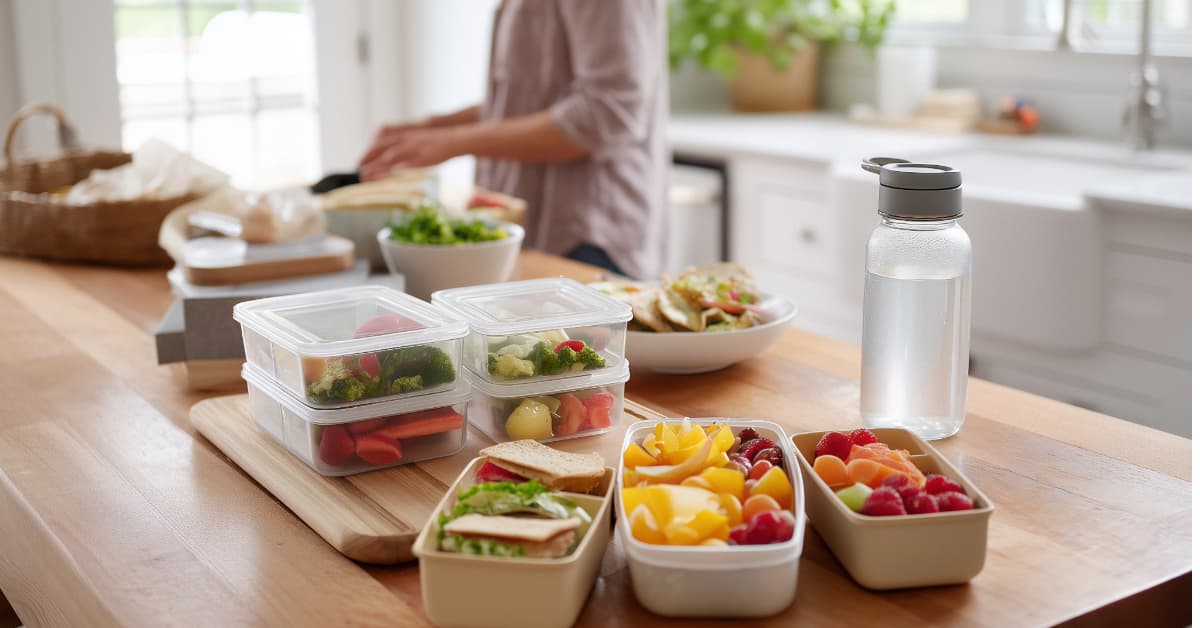
Instead, drink some water, get to bed at a reasonable hour, eat some vegetables alongside the foods you love, and give your body a few days to do what it was already designed to do.
You don't need to earn your way back to "normal." You never left.